5. Healty eating
Pollution calculators: here
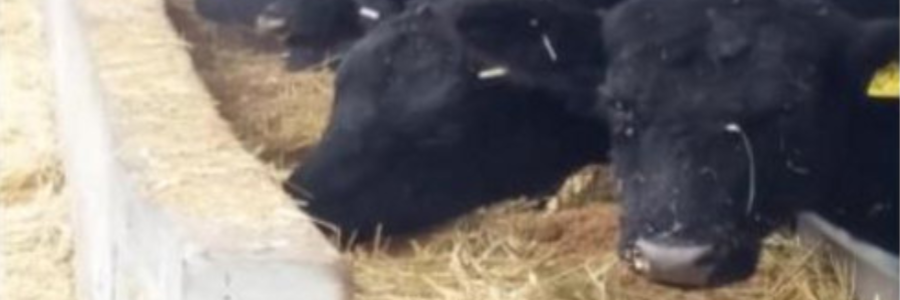
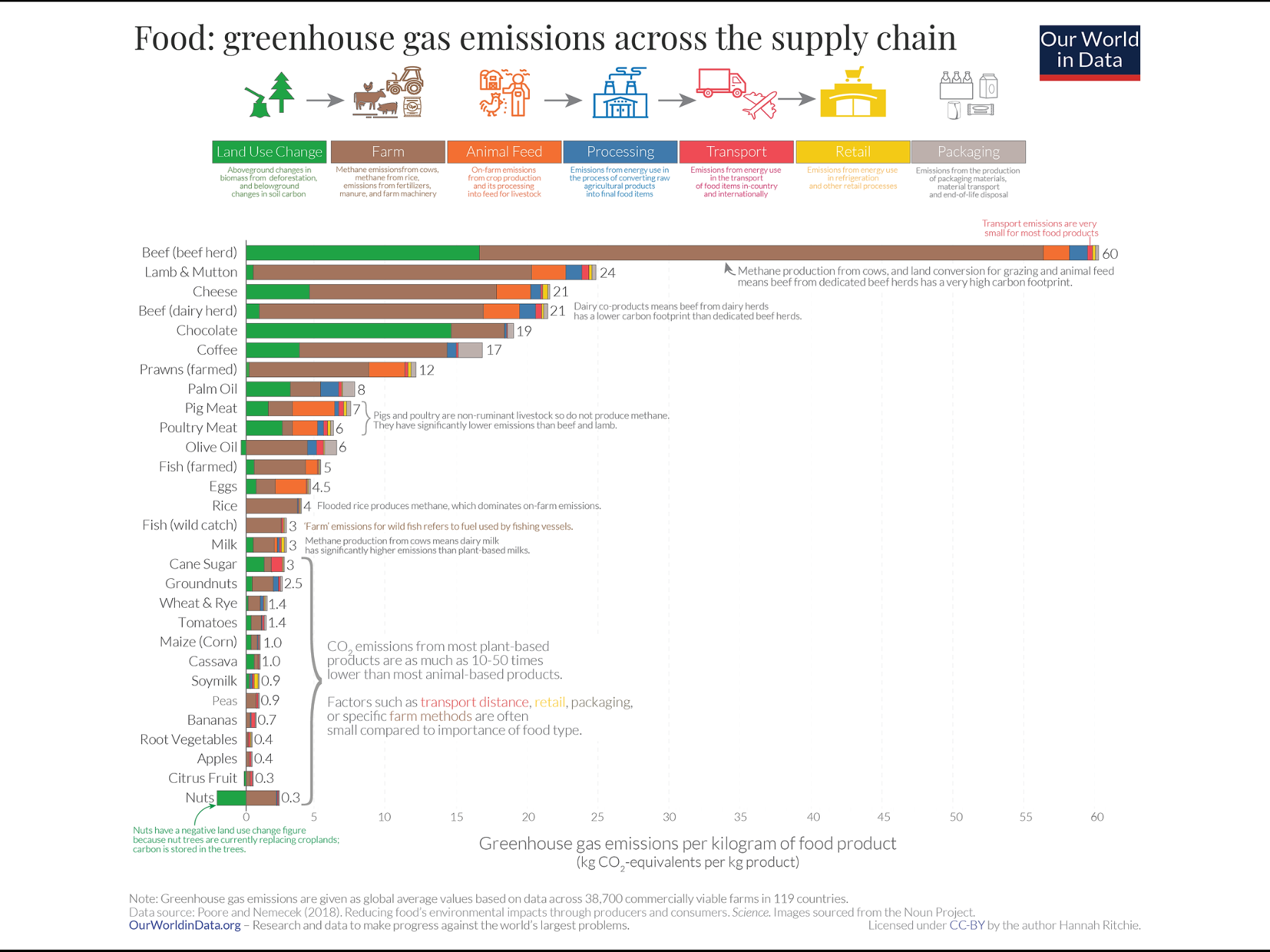
Skip the beef, palm oil, and butter & cheese.
It’s not as difficult as it sounds.
Exercise; drink plenty of fluids: healthy-habits
“Beef is the most carbon-intensive food because of the sheer amount of plant food needed to raise a cow to eating age…Cows create lots of methane — a greenhouse gas…Other carbon-heavy foods are pigs, sheep and dairy products.”
For more on BEEF and agribusiness: beef-and-climate
“Palm oil is a major driver of deforestation…is wiping out the habitat of already endangered species…(and) is also contributing millions of tonnes of greenhouse gases.”
For more on PALM OIL: environmental_impact and human rights
“Meat and dairy account for approximately 14.5% of the world’s greenhouse gases.” “In the last ten years, cheese consumption has gone up 17% and butter 25%.”
For more on DAIRY: nrdc.org and Inside Climate News
“The food we waste is responsible for roughly 8 percent of global emissions.”
For your food scraps, composting advice is available at gardening stores and on the web at: Garden-Compost-Tips or compost-heap
To see another well-done website on composting (for experienced gardeners or beginners) go here. (Thanks Tara!)
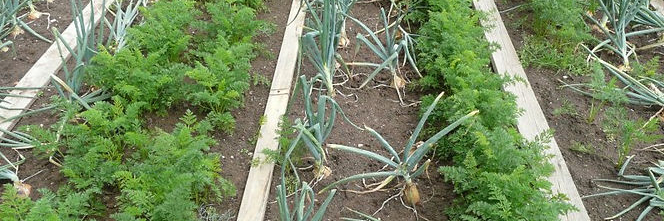
Food waste “went straight to landfill, incineration, or down the drain, or was simply left in the fields to rot.”
“When we throw away food we don’t just throw away nutrients; we also throw away the energy we used in keeping it cold…as well as the energy that went into growing, harvesting, processing, and transporting it, along with…fertilizer, pesticides, irrigation water, packaging, and landfill capacity.”
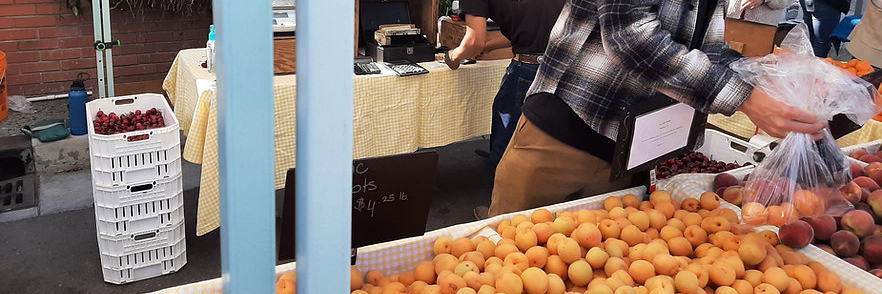
Search - farmers markets near me - to lower agricultural transportation emissions. Spend some time at ReFED’s Food-Waste-Solution Provider Directory, and also: “10 ways to avoid food waste”.
For more on gardens, go to: #9 - Trees, Plants, Yards, Gardens, Pets